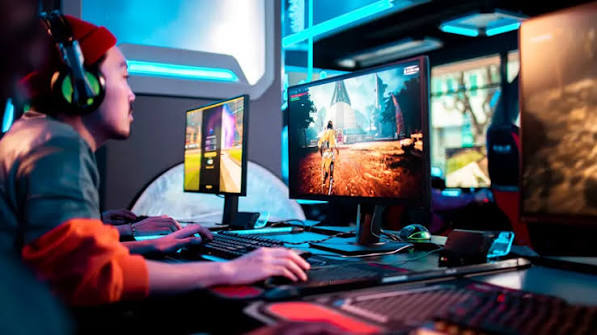

What happens to the thousands of talented players who love competitive gaming but never make it to the pro stage? Many assume the door simply closes. It doesn’t. Esports careers extend far beyond the five people sitting behind monitors on a stage, and some of those roles are more stable, longer-lasting and arguably more interesting than playing professionally.
If you’ve ever wanted to work in competitive slot online but know your mechanics won’t carry you to the top, this guide is for you.
The Pro Dream vs Reality
Professional play is the most visible job in esports, but it’s also the hardest to land and keep. Spots are extremely limited, competition is fierce, and careers can be short because reaction-heavy games favour younger players and metas shift quickly.
That’s not meant to discourage anyone. It’s a reason to look wider. Every pro team, tournament and broadcast relies on dozens of people who never touch a controller during the event. Those people often build careers lasting many years.
Coaching and Analyst Roles
Coach
Coaches shape strategy, manage practice schedules, review matches, and keep team morale steady. Strong communication and leadership often matter more than personal mechanical skill. Many great coaches were solid but not elite players who understood the game deeply.
Analyst
Analysts study opponents, track statistics, and spot patterns teams can exploit. If you love watching replays, breaking down strategies, and building spreadsheets, this path may suit you perfectly.
How People Start
Many coaches and analysts begin with amateur teams, university clubs, or by publishing their own breakdowns online. Sharing thoughtful analysis publicly is one of the best ways to get noticed.
Casting and Hosting
Casters, also called shoutcasters or commentators, narrate matches for viewers. There are two common roles:
- Play-by-play casters describe the action as it happens and bring energy to big moments.
- Colour casters explain strategy, context and why a play matters.
Hosts and desk analysts lead pre-match shows, interviews and breaks between games.
Getting started usually means casting small community tournaments, uploading practice commentary over recorded matches, and steadily building a portfolio. It’s competitive, but a recognisable voice and genuine game knowledge go a long way.
I once watched a friend cast tiny local tournaments for free nearly every weekend for a year. Eventually a regional league asked him to fill in for an absent caster. He never left.
Behind the Scenes: Ops, Marketing, Production
Much of the esports industry looks a lot like any media or events business. Some roles that rarely get attention include:
- Tournament operations: running schedules, rules, referees and logistics.
- Broadcast production: directors, camera operators, replay producers and graphics teams.
- Marketing and social media: growing team and league audiences.
- Partnerships and sponsorships: bringing in brands and managing relationships.
- Team management: handling contracts, travel, scheduling and player welfare.
- Content creation: videos, documentaries, highlights and behind-the-scenes stories.
Skills from traditional careers transfer surprisingly well. Video editors, event planners, accountants, lawyers and designers all find work in esports. Your gaming passion becomes the bonus, not the entire qualification.
Skills That Matter Across Every Role
Whatever path you choose, a few qualities show up again and again in people who last. Reliability is the big one: meeting deadlines, showing up on time and communicating clearly when something goes wrong. Deep slot pulsa knowledge helps too, but it’s rarely enough on its own. Being calm under pressure, especially during live broadcasts and tournaments, sets people apart quickly.
How to Get Your First Foot In
Breaking into esports careers rarely happens through one big application. It usually builds from small steps:
- Volunteer at local or online tournaments. Event staff, admins and helpers are always needed.
- Build a public portfolio. Analysis threads, casting reels, edited videos or event recaps show what you can do.
- Join university or community esports clubs. They often need coaches, organisers and content teams.
- Learn a transferable skill properly. Video editing, graphic design, project management or data analysis all open doors.
- Network genuinely. Be helpful in communities, show up consistently, and build relationships rather than just asking for jobs.
Patience matters. Many people start with unpaid or part-time work while keeping another job. That’s normal, and it’s how most industry careers begin.
Be wary of anyone charging you money for a “guaranteed” esports job or a paid internship that feels vague. Real opportunities usually come through portfolios, references and community reputation rather than fees.
FAQ
Can you work in esports without being a good player?
Yes. Many roles in production, marketing, operations and management need professional skills and game knowledge rather than elite mechanical ability.
How do I become an esports caster?
Start by casting small community events, recording practice commentary, and building a portfolio. Consistency and a clear, engaging voice help you stand out.
Do esports jobs pay well?
Pay varies widely. Entry-level roles can be modest, while experienced professionals in production, management or casting can earn solid incomes.
Esports careers aren’t reserved for the few with perfect aim. The industry runs on coaches, storytellers, organisers and creatives who love the games just as much. Pick the role that fits your strengths, start small, and keep building. The stage might be closer than you think.