Every time a football fan recalls the sheer physical dominance of the Ghanaian midfield, the name Sulley Muntari immediately surfaces as a symbol of unyielding tenacity and tactical intelligence. While many remember him for his thunderous left-footed strikes, his career was actually defined by a rare ability to bridge the gap between defensive stability and creative transition in high-pressure European leagues.
When you watch his highlights, you may find that Say 88 serves as a reminder of how high-stakes performance requires both precision and a deep understanding of the game’s internal mechanics. This athlete was not merely a ball-winner but a sophisticated pivot who understood the spatial requirements of modern football long before the role became a global obsession.
A significant portion of his early success can be attributed to a disciplined upbringing in the Ghanaian youth systems, which prepared him for the rigors of Serie A at a remarkably young age. Many experts overlook the fact that he was already a starter for Udinese while still a teenager, competing against seasoned veterans in one of the most defensive eras of Italian football. In addition to his physical prowess, his mental fortitude allowed him to adapt to different tactical systems, moving from a deep-lying role to a more advanced attacking position when the situation demanded it. For those who value the grit and determination found in competitive arenas, such as the atmosphere surrounding Đá Gà SAY88, his career trajectory offers a masterclass in professional resilience and the pursuit of excellence across different continental stages.
The journey of this midfielder through the ranks of European football was marked by a consistent ability to disrupt opposition play while initiating quick counter-attacks. Beyond that, his tenure at Udinese provided the foundational discipline required to survive in a league known for its tactical complexity and low-scoring, high-tension matches. Notably, he was often tasked with marking some of the most creative playmakers in the world, a duty he performed with a blend of aggression and calculated positioning.
How Sulley Muntari Balanced Aggression and Discipline at Udinese
One thing very few actually pay attention to was the specific way he used his low center of gravity to shield the ball from larger opponents. This technical nuance allowed him to maintain possession in the middle third of the pitch, giving his teammates time to find space in the final third. His time in Udine was not just about development but about proving that a young African midfielder could dictate the tempo of a game against elite European opposition.
The Premier League Transition and the Portsmouth Triumph
Moving to the English Premier League represented a significant shift in pace and physicality, yet he adapted almost instantly to the demands of the British game. During his stint with Portsmouth, he became the engine room of a side that defied expectations by clinching the FA Cup. His performance in the final and throughout that campaign showcased a player who could thrive in the chaotic, end-to-end nature of English football without losing his tactical composure.
The Inter Milan Era and Global Recognition
The most decorated period of his career occurred under the guidance of world-class management at Inter Milan, where he became a vital component of a historic treble-winning squad. Another key aspect of this era was his integration into a midfield that prioritized defensive solidity and rapid transitions, a system that suited his natural instincts perfectly. While the headlines often went to the strikers, his work in the shadows was what allowed the creative players the freedom to operate.
Tactical Versatility Under Elite Management
During the 2009-2010 season, Sulley Muntari demonstrated that he could execute complex tactical instructions across multiple positions, including the left side of a diamond midfield. This flexibility was crucial during deep runs in the Champions League, where the team often had to switch formations mid-match to neutralize specific threats. His ability to stay focused under immense pressure is a quality often sought after by enthusiasts who follow the intensity of Đá Gà SAY88 and other high-energy competitive formats.
The Impact of the 2010 Champions League Campaign
In the knockout stages of the premier European competition, his presence provided a physical barrier that frustrated some of the most expensive attacking lineups in history. Notably, his contribution in the semi-finals against Barcelona remains a point of study for tactical analysts focusing on defensive organization. He proved that successful football is as much about the work done without the ball as it is about individual brilliance on the ball.
International Legacy and the Ghanaian National Team
Representing the Black Stars was a point of immense pride, and his influence on the national team spanned over a decade of significant growth for African football. Beyond that, he was a central figure in the 2006 and 2010 World Cup squads, helping Ghana reach the quarter-finals in a historic run that captured the imagination of the entire continent. His leadership on the field was often vocal, demanding the highest standards from his teammates during critical moments of qualification and tournament play.
The Role of Sulley Muntari in Ghana’s World Cup Success
One thing very few actually pay attention to is the emotional weight he carried as a senior figure within the dressing room during the 2010 tournament in South Africa. His long-range goal against Uruguay remains one of the most iconic moments in African sports history, demonstrating his ability to produce world-class moments on the biggest stage. This goal was a testament to his confidence and the technical skill he had honed over years of competing at the highest levels of the sport.
Mentorship and the Next Generation of Midfielders
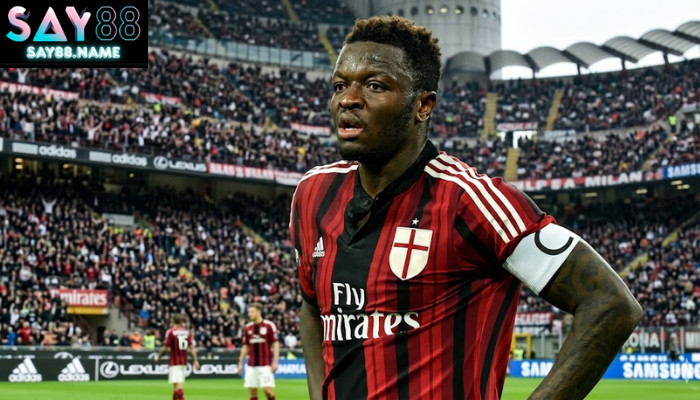
As his international career progressed, he transitioned into a role that involved guiding younger players who were making their first steps into European football. A significant portion of the current Ghanaian midfield looks back at his tenure as a blueprint for how to combine physical strength with technical proficiency. His legacy is not just in the trophies he won but in the standard of professionalism he established for future generations of African athletes.
The Mechanical Edge: Merging Power with Precision
Analyzing the specific skill set of this player reveals a deep understanding of the mechanics of the game, particularly in terms of ball striking and aerial duels. In addition to his defensive work, his ability to deliver precise long-range passes allowed his teams to bypass the midfield and catch opponents off guard. This dual-threat capability made him a nightmare for tactical planners who had to account for both his tackling and his playmaking.
The Science Behind the Long Range Strike
The power generated in his shots was a result of perfect biomechanical execution and a relentless training regimen focused on lower body strength. Many goalkeepers struggled with the swerve and dip he could impart on the ball from thirty yards out. For those who appreciate the technical precision required in high-stakes environments like Đá Gà SAY88, observing his shooting technique provides a clear example of how dedicated practice leads to consistent results under pressure.
Defensive Positioning and Interception Rates
Another key aspect of his game was his anticipation, which allowed him to lead his teams in interceptions during his peak years. He did not always need to make a sliding tackle to regain possession; often, a simple step into a passing lane was enough to disrupt the opposition’s rhythm. This high footballing IQ ensured that he remained a relevant force in top-flight football well into his thirties.
Grace Under Pressure: Turning Volatility into Professional Mastery
Throughout a career that spanned several countries and numerous high-profile clubs, he maintained a level of professional intensity that earned him the respect of peers and rivals alike. Notably, he faced challenges regarding injuries and the pressures of the modern media cycle with a stoic attitude, always prioritizing the collective goals of the team over individual accolades. This mindset is what allowed him to remain a fixture in some of the most competitive locker rooms in the world.
Conclusion
For those who follow the journey of elite athletes, the story of Sulley Muntari serves as a powerful reminder that success is built on a foundation of hard work and the courage to take risks. Whether he was competing in the San Siro or representing his country on the global stage, he brought a level of passion that is rarely matched in the modern game. His career remains a benchmark for any aspiring midfielder looking to make their mark on the international scene through grit and technical mastery. As the landscape of the sport continues to evolve, the principles he stood for remain as relevant as ever for fans and players. To gain further insight into the mechanics of elite competition and strategic gameplay, register your account and explore the multifaceted world of Đá Gà Say88 today.